

Introduction
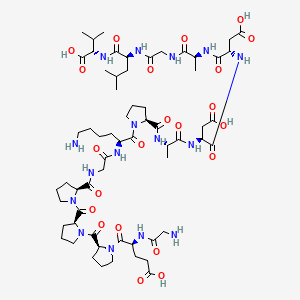
BPC-157 (Body Protection Compound-157) is a synthetic peptide composed of 15 amino acids, originally derived from a protective protein found in gastric juice. Over the past decade, BPC-157 has gained increasing attention in experimental and preclinical research settings due to its unique biological interactions observed in laboratory models.
What Makes BPC-157 Unique in Research
One of the defining characteristics of BPC-157 is its stability. Unlike many peptides that degrade rapidly, BPC-157 has demonstrated notable resistance to enzymatic breakdown in simulated gastric environments. This stability has made it a frequent subject of investigation in tissue and cellular research models.
Researchers have explored BPC-157 in relation to:
- Cellular signaling pathways
- Angiogenesis (blood vessel formation) models
- Fibroblast activity and tissue response
- Nitric oxide system modulation
Mechanisms Under Investigation
Although research is ongoing, studies suggest BPC-157 may interact with growth-factor pathways and nitric oxide signaling systems. These interactions are being evaluated for their role in cellular migration, organization, and response to stress in controlled laboratory environments
Conclusion
BPC-157 remains a compound of interest within peptide research communities due to its stability and diverse biological interactions. As research advances, further studies will be required to fully understand its mechanisms and potential applications in controlled scientific environments.